Inside CustoMold
Small factory.
Personally accountable.
Custom tooling and molded plastic parts from an owner-led factory. Direct project coordination, virgin resin purchasing and a quality-first tooling approach keep responsibility close to the work.

The experience behind our standards
Quality is a decision
made before production.
Our owner previously worked at a Taiwanese moldmaker, where demanding quality practices shaped his approach to tooling and manufacturing. That experience now informs how our factory chooses materials, builds molds and responds to production problems.
We do not compete by quietly lowering the material or tooling standard. A lower initial quote is not useful if the part becomes inconsistent or the tool cannot support the work ahead.

The owner is also
your project manager.
We are a small factory with a short path between a question and the person responsible for resolving it. The owner coordinates the project across tooling and molding, rather than passing it through multiple management layers.
That structure helps us respond quickly, bring the relevant people together and work through adjustments. The goal is a clear decision at the part, mold or machine—not another handoff.
Send the latest revision and explain what changed. We can discuss the effect on the tool, sample review and supply plan together.
Discuss your projectThe standards
we choose to keep.
Our purchasing and tooling principles are practical commitments. Their purpose is to give the product a sound basis for repeated manufacturing.

Only first-grade virgin plastic.
We consistently purchase new virgin resin. We do not use second-hand, recycled or reprocessed feedstock to reduce the cost of the part. The material grade and color specification are part of the project discussion.
For soft overmolding, this principle applies alongside the choice of a compatible hard and soft material pair. Virgin material alone does not guarantee attachment.
See soft overmoldingQuality steel, with the support it needs.
We invest in high-grade mold steel and select it for the application. We do not reduce the mold’s dimensions simply to cut cost at the expense of the structure the tool needs.
Steel selection, supported sections, wear surfaces and repair access have consequences long after the first samples are made.
Built for a continuing relationship.
We have molds that have remained in use for many years. That experience reinforces our preference for sound construction and continued care, rather than treating the first acceptable sample as the end of the work.
Tool life for a new project depends on its resin, geometry, production duty and maintenance requirements. We discuss those conditions when defining the tooling scope.
From the toolroom
to the production floor.
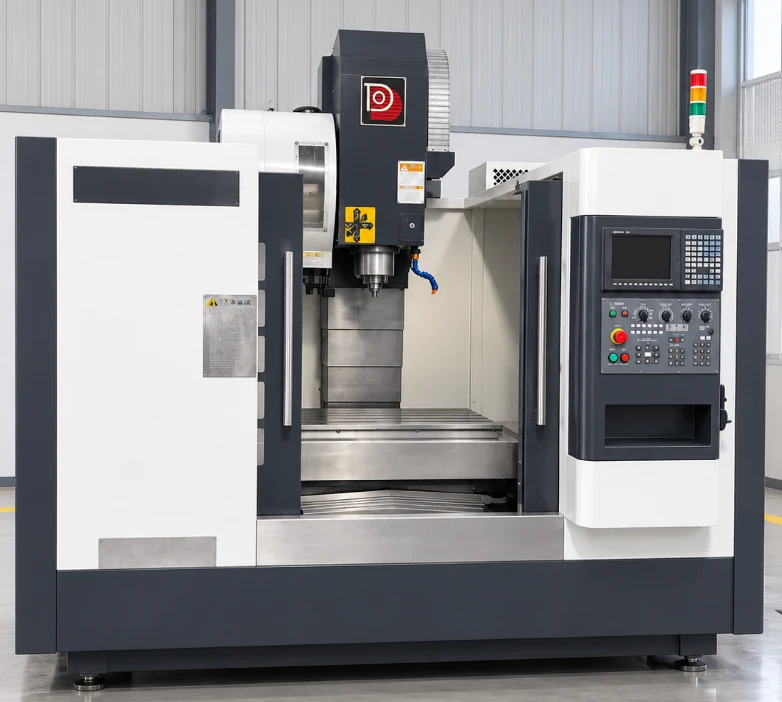
Different operations contribute to the final part: machining the mold, producing electrodes, grinding and fitting components, then molding and reviewing the result. Our photographs show the work environment behind that route.


Inspect the work
behind the words.
The cartridge and enclosure cases explain specific engineering decisions. The overmolded components add molds and production batches. The bright-pattern housing shows a deliberate surface finish. Together, they show the kinds of requirements we can help you develop into manufactured parts.
Bring the part.
Talk to the people making it.
Share the current design and the product requirements. We will work through the manufacturing route with you.